How to Characterize Pain and Suffering

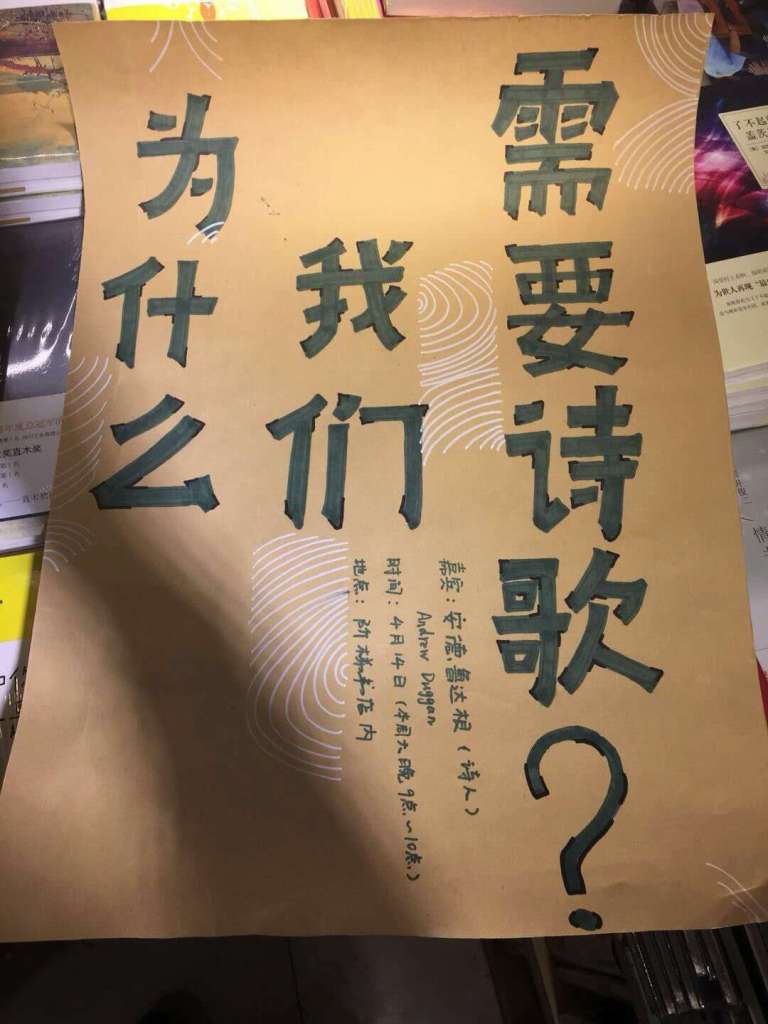
WeChat Image_20180930103214

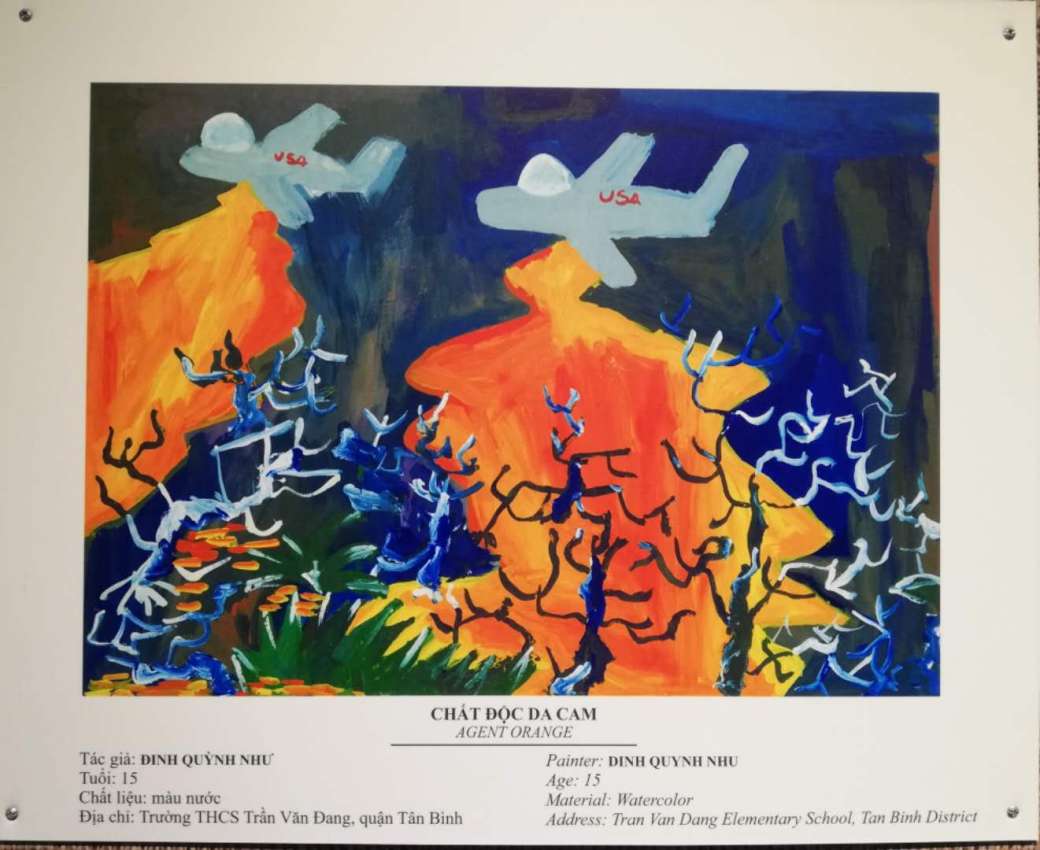
My Picture: War Museum” Ho Chi Minh City, Vietnam

Pain and suffering is all around us and how ‘we’ as human beings address and characterize this aspect of the human condition is important now and for the future.

I teach medical English to medical students in China and one of the classes I teach is medical humanities. I would define this as ‘creating a sense of space for pain, suffering death and dying’. Of course this is a great challenge for me and my students. I use poetry as part of these conversations.

This is a poem I wrote

“Are you in pain?”

The nurse asked me about pain
“Does it rain” I told her.

Most days
I am in pain.
It falls upon my soul,
and devours my dreams.

It is a friend, a close friend
A pristine memory,
somewhere in darkened land.

I don’t ask its name,
it has no name worth knowing.

But I wish the pain to be stranger
and fly like a bird.
Moments in a Medical Education

William Carlos Williams advocated poetry based on live contact with the world. He reproduces the details of what he sees. In some ways some of my poetry is an attempt at this observational poetry.

Many of my poems arise from moments of personal heightened consciousness, that I try and develop and extend by writing a responsive poetic line.

An example of this is this poem that I wrote yesterday after taking a class.


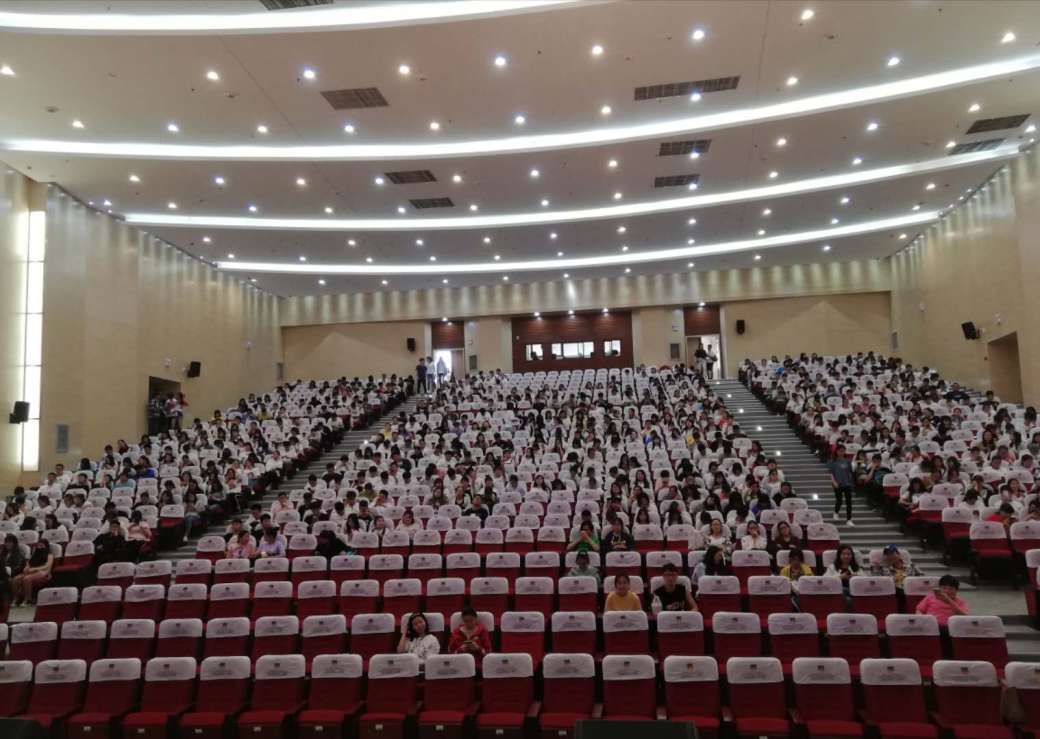
WeChat Image_20180929101903

My Picture

Moments in a Medical Education

In the class there were 300
Chinese medical students,
full of red hot dreams and
having trouble with words.

I was asked to talk about medical
English, how they could learn.
So I talked about days
of nursing and poetry that
helps the dying.

I’m not sure their teacher
was too happy.

I think most sat there thinking
‘He is funny’ or maybe ‘He is crazy’.
Or maybe they were just nervous
and unsure.

After their teacher gave me a fierce
half-smile, I ran sharply to the point

“What can you do to learn?”

It went on for some time,
the silence.

Then I chose a student, who looked
disappointed that he was the one.

Right then time stopped for both of us.
The clouds outside seemed less than
clouds and the trees seemed to walk alone.

“I like poetry” he said.

The class laughed
and I noticed the faded white cotton curtains
blinked in surprise.
An out-of-nowhere moment
when nothing happens.

And their teacher looked directly at me
More like everything else.

How I Became a Poet

WeChat Image_20180928083013

I often think about the how I became a poet.
All those years of reading, when nobody
was nearly interested.

My father was a romantic.
He could read aloud poems by
Keats, Shelley and Byron.
I couldn’t understand any of it, I doubt he could.
But it sounded good.

I settled into a life,
evoked of love and steadfast promises.
And discovered Neruda and personal
colours of hope.

But in life
the dark mornings always come.
Just listen to the coughs,
and the blood stained phlegm of cancer
You will know what I mean.
Then I found Bukowski
and began to see
that being a fool is normal.
And shit happens in life.

“I am a writer” he said.
At least he endured trying.

So now….. I get out of bed
and I write poems.

Sometimes a painful submission of words,
that almost every poet thinks.
But that’s normal…..
at least for me.