Philosophy
Vietnam Blues


Cafe Cong” Hanoi, Vietnam
My Pictures: Cong Coffee Cafe: Hanoi, Vietnam.
I searched for Ho Chi Minh
in Vietnam, four line quatrains
and the substance of a country.
I wondered why, there
are no rhythms of screaming
souls or nightmare firestorms.
Or mothers who still shed one
lonely tear of the night.
My heart was heavy
when I saw the pictures of Mỹ Lai.
The kindness answered
with foul wrong from gloomy
and angry men.
I walked the streets of Hanoi,
Da Nang and Ho Chi Minh City.
And saw the beauty of human
love and struggle, pass the
threshold of moral grief.
I learnt of people
leaving behind nights of
terror, and leaping
wide over black oceans.
They brought gifts
from Nhat Hanh, Dang Thuy Tram
and Hồ Xuân Hương.
A gentle light that strays
and vanishes, but always returns.
And a wind that blows
a forgiving silence.
The Pain of Lost Love
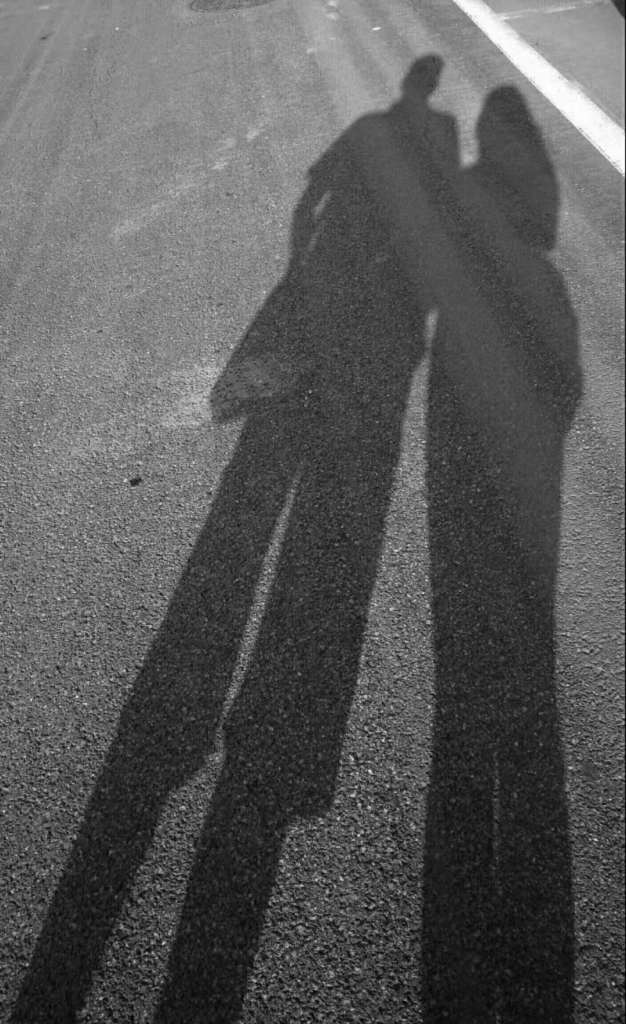
My Picture: Personal Shadows in Taiyuan City: Shanxi Province, China
In a dark human forest
I swore
I would never
love or believe
again.
Anger, drink
and mistrust
was my daily life.
A new friend.
You ask me why I find
it hard to trust, to love
even after all these years.
Easy to forgive
and forget, right!
Because, I am haunted
more by her memories
than new Chinese dreams.
I am the distant drums
of a distant love lost.
Why Do I Write Poetry?
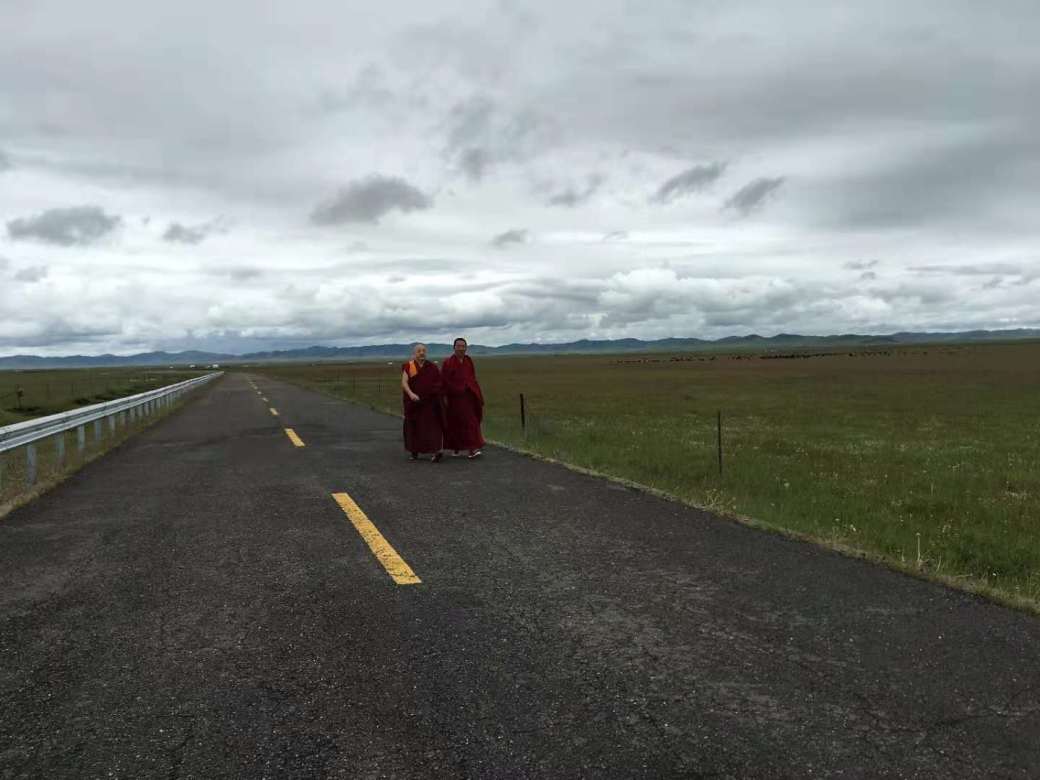
My Picture: Two friends: Xiahe: Gannan Tibetan Autonomous Prefecture, Gansu province, China
Writing poetry is not easy, at least not for me. It takes time, space, ideas, thoughts and usually something to happen to spur me to write. When some people ask me, and not too many do ‘why do I write poetry?’ my answer is usually consistent. I write poetry because I want to live forever.
Let me clarify what I mean by this.
My life has been eventful and has taken some unexpected turns. Five years ago for example, I was living, working and still playing rugby in the UK. Then my personal circumstances changed and now I live and work, but with no rugby in China. So how do I make sense of this and all the other events and moments in my life?
Well, one way is to write poetry.
A poem allows me to flush from the deep thickets of someplace within me the thoughts, feelings, questions and music, I knew was there and in the world, but didn’t know how to represent this?
More and more I think that my life and eventual death are a momentary flicker that will pass me by (if I let it) without me knowing the experience. I have three children, friends in different parts of the world and I want them to know what I am doing, what I see, what I learn and poetry helps characterize these experiences, opportunities and moments.
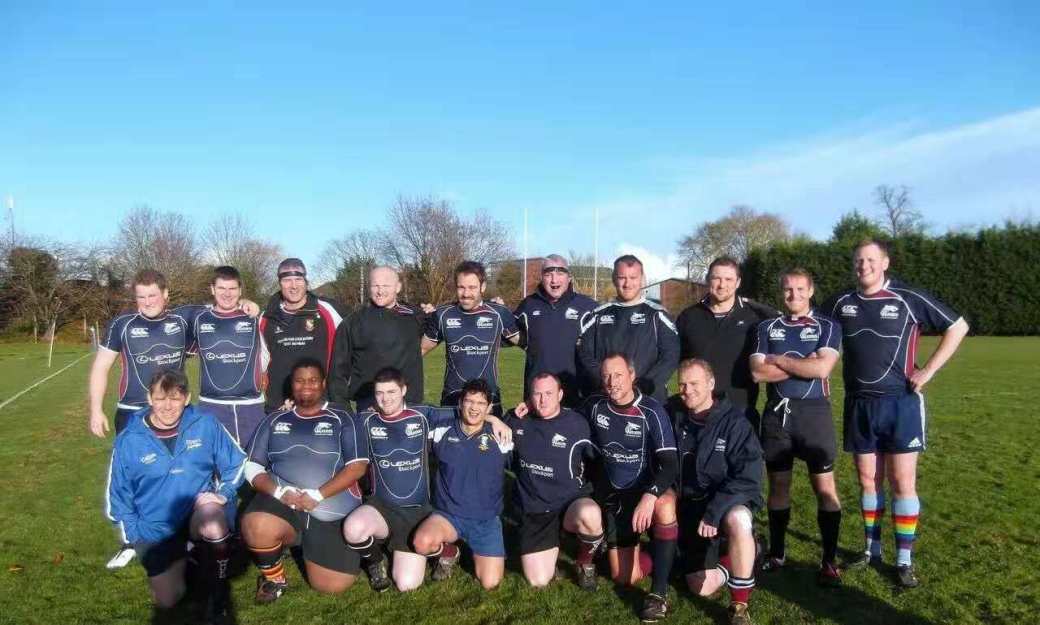
My Picture: Wilmslow Rugby Union Football Club
Whether my poetry is good or not does not concern me too much. I was once part of a writing forum, in which many people seemed more concerned with how many ‘likes’ or ‘followers’ they had, than the honesty and integrity of their writing. This was one of the reasons why I set up this blog.
So why do I write poetry?
Well, as I told a Chinese friend of mine yesterday, to rescue some portion of what has ‘fueled’ me in life, what continues to tell me that I am alive and to leave something of myself behind when I die. Others can then decide if they make something of this or not.
This for me is the nearest thing to being alive.
A State of Mind

Picture: China Daily
I met a man today with Parkinson’s disease,
his hands permanently clenched shut.
The power, once contagious at birth
no longer accepts the next morsel.
His wife, seemed spat from reshuffled pain,
and leading him into a known future.
I watched them closely.
They once dreamed of sweet genesis,
a life grown of man’s new strength.
They danced on the same floor,
touched in slow succession
on damp common ground.
Now, she takes him to the toilet and
wipes him clean again and again.
“Is it dirty
does it look dirty”
She asked
I held his hand.
And sitting softly, in my soul
I told him that his
life has not yet been cancelled.
Note
Statistics show that almost half of the ten million people affected by Parkinson’s Disease, or PD, worldwide are in China. The disease has become the third most deadly disease for elderly people in China. About 1.7% of the country’s population above 65 suffers from PD and nearly 100 thousand new cases emerge each year. The World Health Organization estimates China will see six million PD patients by 2030.
Fragments
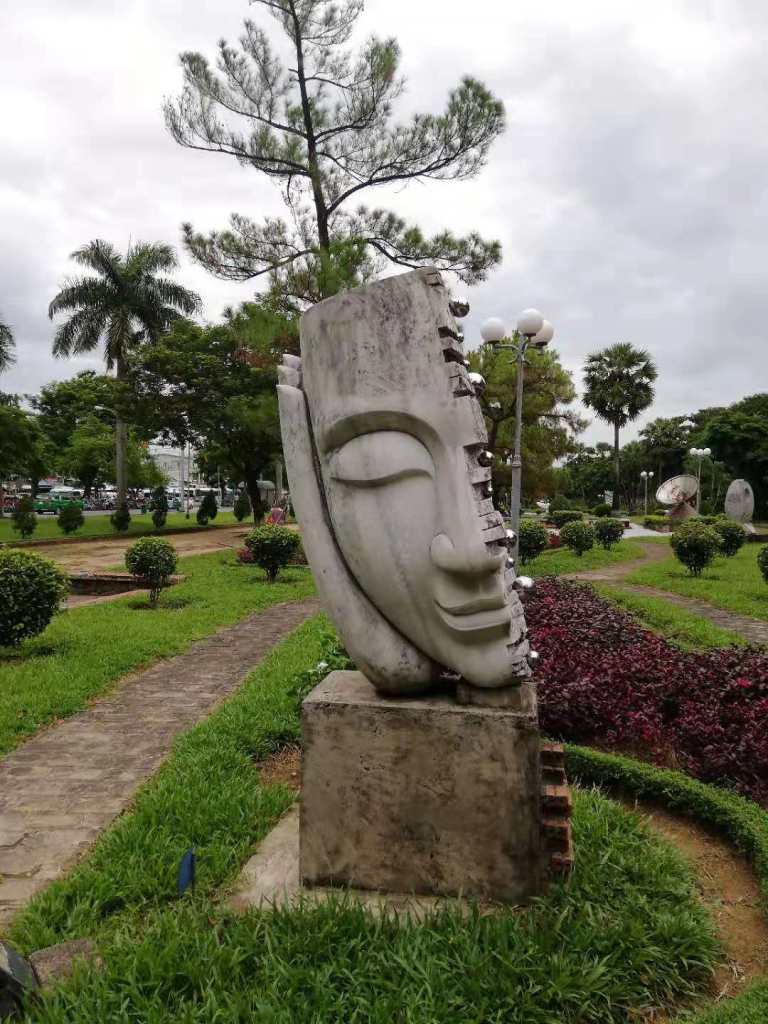
My Picture: Outside Sculpture: Hoi An, Vietnam.
.
When alone, I think
I’ve lived half a life.
A small corner of the noise.
Half a fish.
Half, come winter.
A small white canvas, unfinished.
Smaller, and more smaller.
Half a heart from birth to now.
My eyes, half open barely
touching the ground.
A life waiting for halls of pleasure.
Only half caring a moment longer.
A day half offered, slowed to silence
that roles towards well, wanted solitude.
Shall I disturb this measured
life, and lessen my hopes of harder love.
Or wait…
to meet tomorrow, and beyond.
On The Move
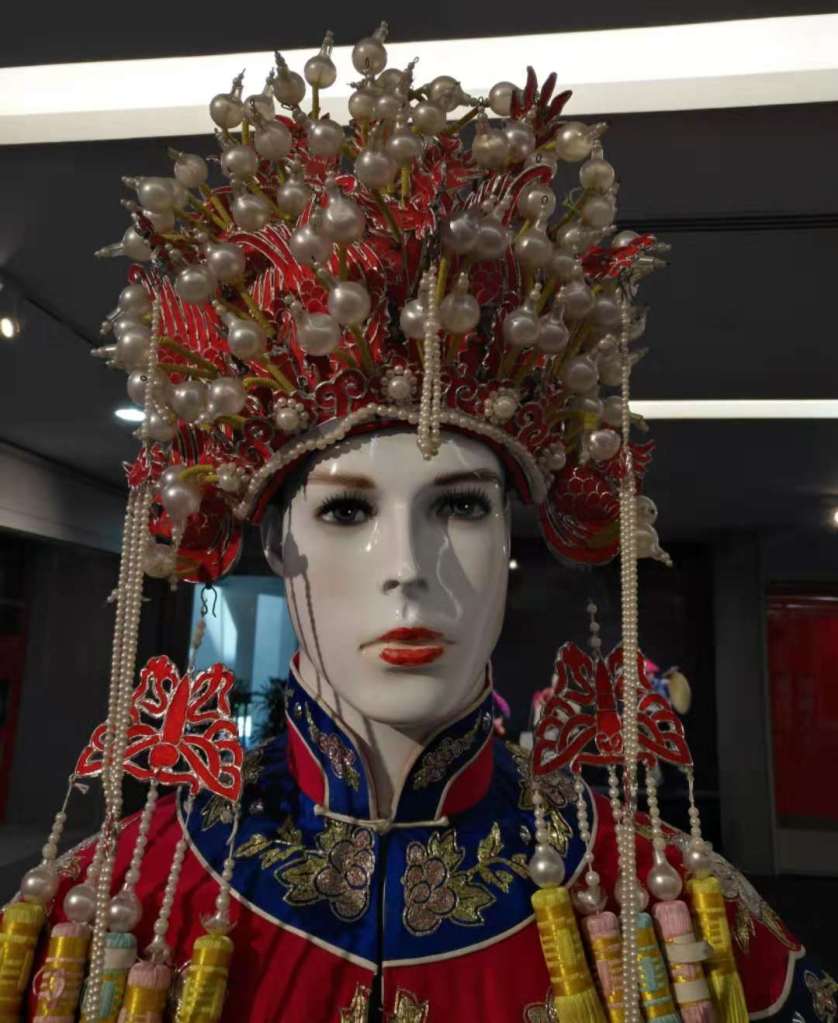
My Picture: Ethnic Headdress: Beijing Culture Museum, Beijing China.
Everybody in China is moving now,
clapping hands for fair visions
and dreams half-forgotten.
It is the national holiday
when the sun shines brighter.
The old, familiar songs
a voice, a chime.
Now everybody
carries something.
Names, stories, memories
from the mountains.
And the dust from
the cities of concrete.
On days like these
there is no sadness,
no rancor.
Just a desire to taste
the salted tea.
And the wind breath
of the naked river beds
at dawn.
The daughters of the nomads
cry once again on padded knees.
And call upon the distant
twilight ghosts, shy and sullen
to lift the veil once more.
In the end, they make it.
And the last race is over,
for another year.
Anger at 11, 000 feet

Why do people become angry?
Sadness, a sense of injustice…
The gaps between
“Who are you?”
and
“I won’t”
Who knows?
An air hostess is angry with a passenger,
way beyond what is permissible.
Anger is energy.
The air hostess cries,
but still wants to get her point across.
I guess that is why people become angry.
How to Characterize Pain and Suffering
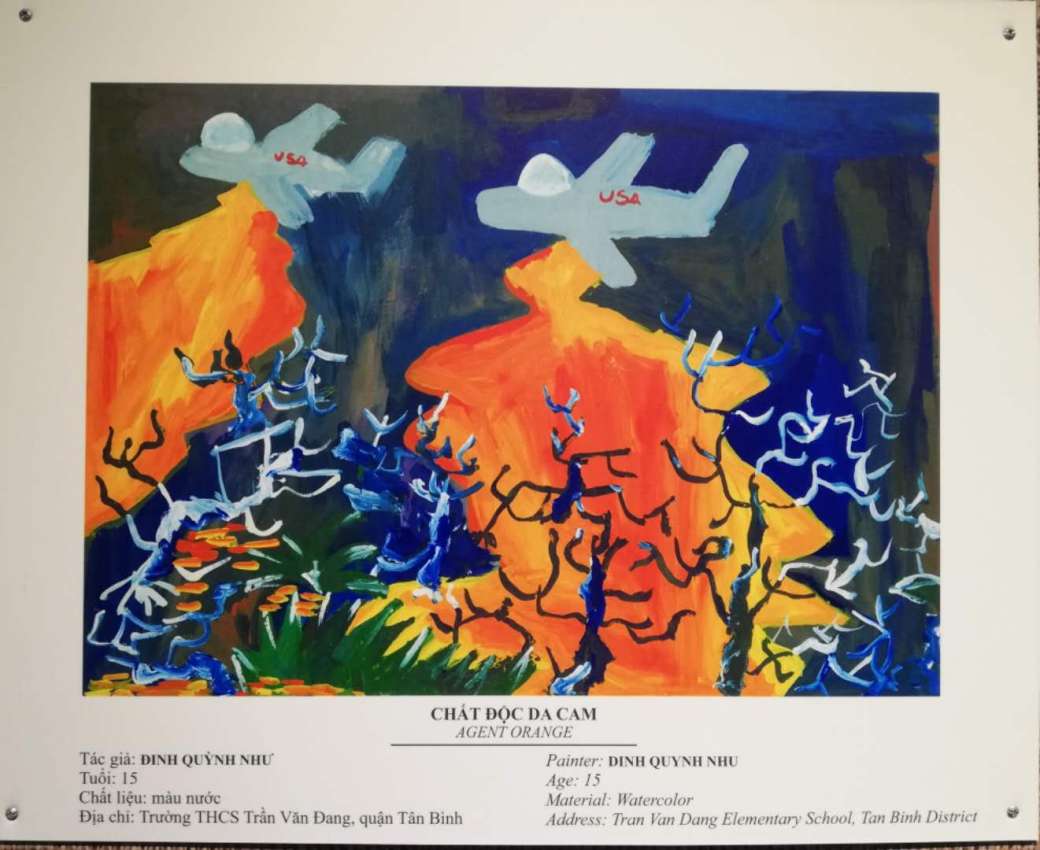
My Picture: War Museum” Ho Chi Minh City, Vietnam
Pain and suffering is all around us and how ‘we’ as human beings address and characterize this aspect of the human condition is important now and for the future.
I teach medical English to medical students in China and one of the classes I teach is medical humanities. I would define this as ‘creating a sense of space for pain, suffering death and dying’. Of course this is a great challenge for me and my students. I use poetry as part of these conversations.
This is a poem I wrote
“Are you in pain?”
The nurse asked me about pain
“Does it rain” I told her.
Most days
I am in pain.
It falls upon my soul,
and devours my dreams.
It is a friend, a close friend
A pristine memory,
somewhere in darkened land.
I don’t ask its name,
it has no name worth knowing.
But I wish the pain to be stranger
and fly like a bird.
Moments in a Medical Education
William Carlos Williams advocated poetry based on live contact with the world. He reproduces the details of what he sees. In some ways some of my poetry is an attempt at this observational poetry.
Many of my poems arise from moments of personal heightened consciousness, that I try and develop and extend by writing a responsive poetic line.
An example of this is this poem that I wrote yesterday after taking a class.
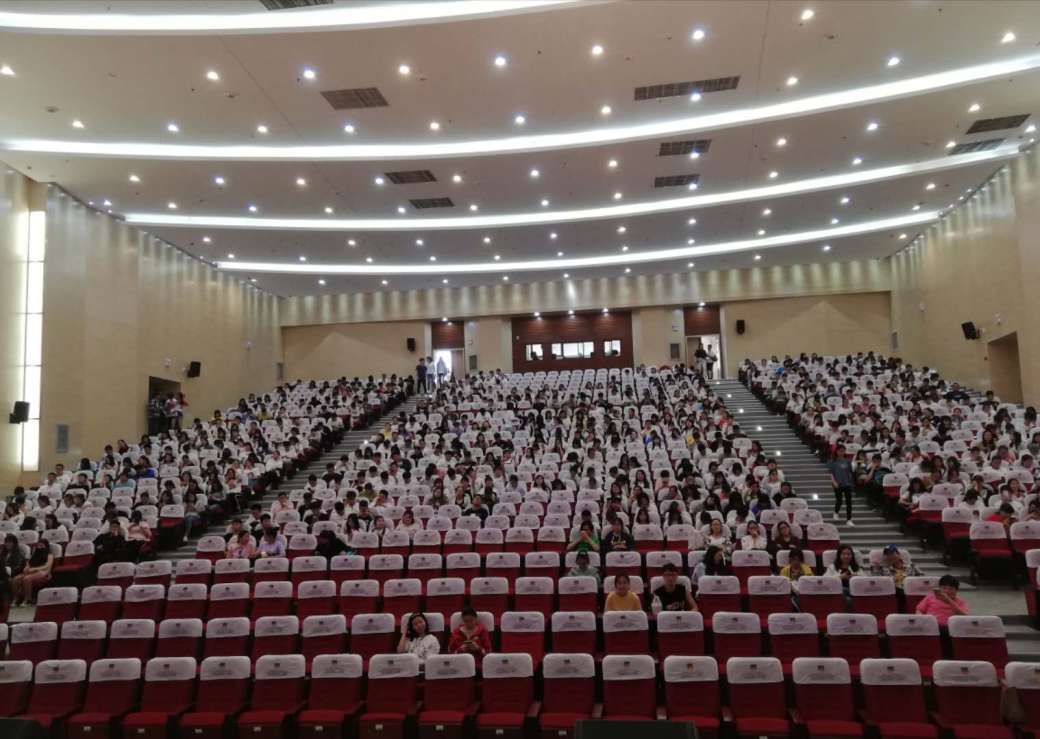
My Picture

